


Why Testing Matters- Private Training at FAST Athletics in Minnetonka
- Jayme Pantekoek
- Jun 2
- 4 min read

Updated: Jun 7
Every athlete is unique. At FAST Athletics in Minnetonka, we know that a one-size-fits-all training plan does not help athletes reach their full potential. Instead, we start with testing. Testing reveals what an athlete needs most, so we can build a training program that fits them perfectly.
Two athletes might play the same sport, be the same age, and even play the same position. Yet, their physical strengths and weaknesses can be very different. That’s why testing is the first step in our process.
Testing helps us find the exact areas where an athlete can improve. Then, we create a plan that targets those areas. This approach makes training more effective and helps athletes get better faster.
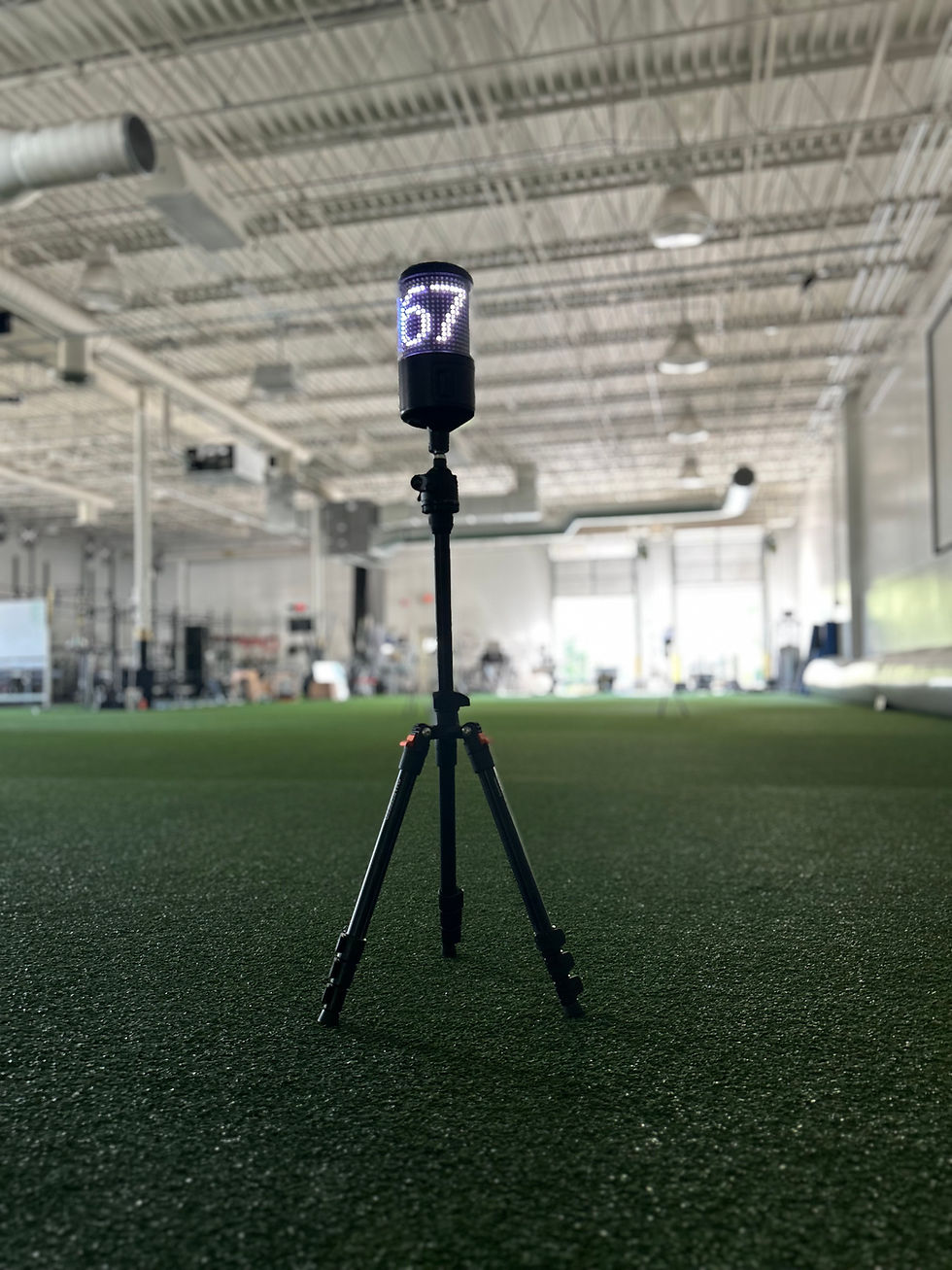
What We Test and Why It Matters
Vertical Jump (VJ)
The Vertical Jump test is a key way to measure lower-body power and explosiveness.
What it measures:
Explosive power
Lower-body force production
Elasticity and reactivity
Nervous system output
Why we test it:
If an athlete has a low vertical jump, it often means they need to build more force and power in their legs. They might also need to improve how quickly their muscles react. For these athletes, we focus on strength training, plyometrics, and exercises that build explosive power.
Acceleration Test (0-10 Yard Sprint)
Acceleration is crucial in almost every sport. Many game-changing moments happen in the first few steps.
What it measures:
First-step quickness
Starting strength
Horizontal force production
Sprint mechanics
Ability to overcome inertia
Why we test it:
Athletes who are slow to accelerate usually need to improve their strength and sprint technique. We use this test to find athletes who benefit from force-based training, sled work, and drills that develop acceleration.

Acceleration test at FAST Athletics focusing on first-step quickness and sprint mechanics
Flying 10 (Top Speed Test)
The Flying 10 test measures how fast an athlete runs once they are already moving.
What it measures:
Maximum velocity
Reactive strength
Elasticity
Sprint efficiency
Ground contact quality
Top-end speed
Why we test it:
Some athletes accelerate well but struggle to reach their top speed. These athletes often need more training focused on reactive strength, sprint mechanics, and max-velocity sprinting. This test helps us spot those needs.
5-10-5 Agility Test
The 5-10-5 test is a common way to measure change of direction ability.
What it measures:
Deceleration ability
Reacceleration ability
Lateral force production
Change-of-direction efficiency
Body control
Why we test it:
Many athletes work on speed but forget how important it is to stop and change direction quickly. Poor scores here often show weaknesses in deceleration and lateral movement. These athletes benefit from eccentric strength training and drills that improve braking and cutting.
How Testing Shapes Training at FAST Athletics
Testing is not just about numbers. It’s about making smart training choices.
For example:
A low vertical jump means the athlete needs to build force and power.
A slow 0-10 yard sprint shows a need for better acceleration and force production.
A low top speed on the Flying 10 points to a need for reactive and elastic training.
A slow 5-10-5 time means the athlete should focus on deceleration and change-of-direction skills.
Once we know the athlete’s biggest weaknesses, we design their training to fix those areas.
An athlete with poor acceleration but good top speed will spend more time on strength and force work. Another athlete with great acceleration but low top speed will focus on reactive training and max-speed drills.
This approach creates a training plan that fits each athlete’s needs. It helps them improve faster and perform better in their sport.

Agility drills at FAST Athletics to improve change of direction and body control
Test. Train. Retest.
Our process is simple but powerful.
Test to see where the athlete is now.
Build a training plan to improve weak areas.
Retest to track progress and adjust the plan.
At FAST Athletics, data drives development. We believe you can’t improve what you don’t measure.
This method helps athletes stay on track and see real results. It also keeps training focused and efficient.
How FAST Athletics in Minnetonka Supports Your Journey
At FAST Athletics, we offer specialized training programs that use testing to guide every step. Our Private Performance Training Program is designed to build strength, speed, and agility based on each athlete’s test results.
We also provide Youth Athletic Development for younger athletes. This program focuses on building a strong foundation with fun, age-appropriate training.
For athletes who want to improve their sprinting and acceleration, our Speed and Agility Training uses test data to create targeted workouts.
By combining testing with these programs, we help athletes in Minnetonka reach their goals faster and safer.
Testing is the key to unlocking an athlete’s potential. At FAST Athletics, we use testing to build smarter, more effective training plans. This approach helps athletes improve faster and perform better on the field, court, or track.
If you want to train smarter and see real progress, start with testing. It’s the first step to becoming the best athlete you can be.
Ready to get started? Learn more about our programs and testing process at FAST Athletics Minnetonka. Because you can’t improve what you don’t measure.


Comments